


Dog training tips from The Dogfather.
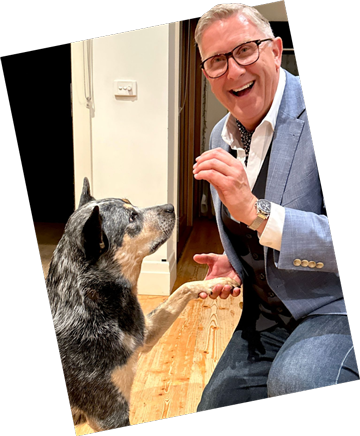
Get dog training tips and advice from The Dogfather, Graeme Hall - TV’s top dog training expert. And learn more about Tesco Pet Insurance.
Published: 9 January 2026
Manage your insurance policy online.
Set up your account to manage your policy.
Choose the type of claim you need to make.
Get dog training tips and advice from The Dogfather, Graeme Hall - TV’s top dog training expert. And learn more about Tesco Pet Insurance.
Published: 9 January 2026
Graeme Hall, also known as The Dogfather, is one of the UK’s most prominent dog trainers. He’s a Master Dog Trainer with the Guild of Dog Trainers. And you’ve probably seen him on the Channel 5 TV show, ‘Dogs Behaving (Very) Badly’.
Graeme’s helped thousands of owners across the UK with dog training and behaviour issues. He combines dog psychology with practical advice to get real results - for any dog, of any age.
We asked Graeme to tell us the top things owners should know when it comes to dog training. And here’s what he said.
When it comes to training your dog, being calm is key. Most problems are caused by a dog being overexcited. To deal with that, you need to be a calm, assertive leader.
Most importantly, you need to be consistent with your rules. Don’t confuse your dog by letting them jump on the sofa one day and then tell them off the next.
In summary
If you reward your dog, or correct their behaviour, it’s best to do it within 2 seconds of what the dog’s done. That’s so your dog understands what the reward or correction relates to.
Example
If your dog stops barking, you need to praise them as soon as they’re quiet. Good timing is the only way your dog can make the link between action and reward.
In summary
Try to understand why your dog’s behaving the way they are. They aren’t doing it to annoy you - they’re doing what works for them.
It’s often driven by instinct, anxiety or confusion. And a little empathy goes a long way.
Remember, it’s easier to improve your dog’s behaviour if you understand why they’re doing it. Once you know the reasons why, you can then work on what to do and how to fix it.
In summary
For unwanted behaviours, like excessive barking, the best technique is to reward the absence of the behaviour.
If your dog’s barking, wait for a brief gap in the noise and then reward them immediately. It doesn’t need to be with a treat - a happy “Good boy!” or “Good girl!” is enough.
Wait until your dog’s calm before giving them a reward, like going for a walk or giving them attention.
You can try this if you’ve got an overexcited dog on or before a walk. If they wait quietly, reward them by continuing the walk. This teaches them that being calm, not being frantic and full of energy, gets them what they want.
Use 1 or 2 clear, consistent words for a verbal command, supported by your body language.
Avoid doing the following, as they'll just confuse your dog:
One good, clear instruction is always better.
Absolutely. The first step to any training is ruling out health issues first.
A sudden change in your dog’s behaviour, like aggression or lethargy, can be a symptom of pain. They might also have an underlying medical condition. If your dog starts acting aggressively for no obvious reason, speak to your vet before doing any new training.
Remember, pet insurance can help towards the cost of unexpected vet bills. With Tesco Pet Insurance, you can choose from 3 different types of cover:
We cover dogs of all ages. And if you insure more than one pet with us, you’ll get a multi pet discount on each policy.
First, we need to understand what bad actually means for dogs. If they’re chewing or digging, it could just be your dog being a dog. Or it could be a sign of an unmet need, like pent-up energy from a lack of exercise.
But just because it’s natural to them doesn’t mean it’s acceptable to you. For example, digging is natural doggy behaviour, but no one wants their lawn full of holes! Catching them in the act is the most important thing. It’s no good leaving them in the garden alone, coming back to find a load of holes, and then telling them off. That’ll only confuse them.
Again, timing is everything. You need to correct your dog within seconds of their action. That means you need to supervise them and then correct them as soon as they start to dig. Give a strong verbal command - but never aggressive - and redirect them to a more appropriate activity. If your dog loves digging, why not get them a sand pit where they’re allowed to dig? The message is, don’t do that - do this instead!
In summary
No. It’s important to find what motivates your dog. Not all dogs love food, believe it or not!
Try out a few different things and see what they react best to. Think of a reward as anything that feels good to your dog.
Some of the most popular things are:
No, not if you do it properly.
When you correct your dog, you should be giving them a clear signal that their behaviour isn’t acceptable. You should do it with a calm, firm tone - think stern, not aggressive. Getting angry and shouting will get you nowhere.
Remember, your dog needs rules to feel secure and you need them to keep you both safe.
Think of corrections as providing necessary feedback. If you correct them when they’re naughty, then praise them as soon as they change their behaviour, that’s a clear signal to them. Your dog’ll see the pattern and understand the difference. It’s what’s known as contrast.
How long it takes to train a dog always depends on the dog.
You can teach your dog some basic commands, like sit and stay, in minutes. But fixing a behavioural problem, like aggression or separation anxiety, can take weeks or months of consistent effort. No matter the breed, age or dog.
A good dog trainer will get you on the right track in a day. The rest is up to you.
There are a few times when you should think about getting help to train your dog.
If you’ve tried different, consistent methods for a good length of time and nothing’s working, it might be time to get help from an expert dog trainer.
This includes things like aggression, extreme fear or intense anxiety.
If your dog shows signs of these, you should take it seriously. Remember to rule out any health issues first, before getting help from a trainer.
This means both your quality of life and theirs.
A good trainer or behaviourist can put themselves in your dog’s mindset and identify the cause. This could be unintentional communication from the owner or a fear from your dog.
Absolutely! Any dog, any age, any problem.
Puppies can pick up things much quicker, but older dogs are perfectly capable of learning. They might have old habits that take a little longer to shake off, but they still have the ability to learn new commands. The same rules still apply - consistency, clear communication and timing of rewards is key. Also, a lot of patience!
Be aware though, that dogs can suffer from dementia, just like us. Things to watch out for include:
If you’re worried, have a chat with your vet. Like in humans, dementia can’t be cured, but progression can be slowed down.
Everyone in the family should be involved in the dog’s training, as long as they’re consistent. That means every member of the household should know the rules and apply them in the same way.
If you chop and change the rules, it’ll only end up confusing your dog. They need to know that it’s the same rules, regardless of who’s giving the command.
In fact, it’s not that different to parenting…
Exercise is vital for your dog’s overall wellbeing. In some cases, a lack of exercise might even be the cause of behavioural issues.
Physical exercise isn't the whole story, some breeds need more mental exercise than others. Including Spaniels, German Shepherds, Border Collies and Huskies.
When you take your dog out for a good walk, it should be structured, allowing for plenty of sniffing around - which is mentally stimulating for your dog. Just make sure sniffing breaks are on your own terms or you’ll end up stopping every 2 minutes!
You should also give your dog plenty of attention and not just let them run riot. Of course, throwing a ball or letting them burn off energy by running around is fine too.
Physical exercise helps burn energy, but mental stimulation and structure help to create a calm dog. Alongside plenty of training, that can lead to less behavioural issues.
Remember to take time to research your dog’s breed and make sure you’re meeting their needs.
You can learn more about different breeds of dog in our dog breed guides.
In summary
Refer a friend if you’re a Tesco Pet Insurance customer. And you’ll both get a £30 Tesco Gift Card as part of our pet insurance rewards. T&Cs apply.
Find out how to manage your policy or make a claim if you have Tesco Pet Insurance.
Tesco Pet Insurance is arranged, administered and underwritten by Pinnacle Insurance Ltd.
vetfone is provided by Vetsdirect Ltd.
You'll find complete details of the cover, monetary limits, exclusions, excesses and terms in our policy documents.
Find cover for your four-legged friend and save money with your Clubcard. Choose Lifetime Pet Insurance, Maximum Benefit or Time Limited.