What food is bad for cats?

Learn about the foods that can be harmful to cats. Keep your cat safe and healthy with Tesco Pet Insurance and Mars Petcare*.

Published: 28 May 2026
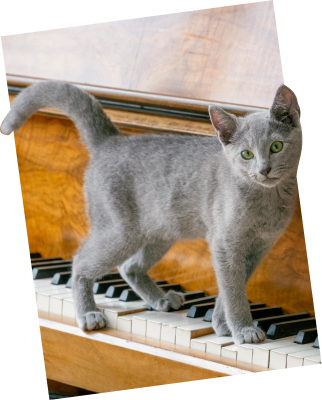
Grey cat standing on piano keys cutout

Why you need to watch what your cat eats

Cats are curious by nature. And their curiosity often leads them to whatever their owners are eating.

But a cat’s digestive system works differently to ours. Some foods that seem harmless can cause stomach upset and even toxic reactions. And that can result in an emergency visit to the vet and a claim on your pet insurance.

Here, we explain which foods are safe for cats, which aren’t, and which ones are only suitable in small amounts. It’s based on the latest research from Mars Petcare* and the Waltham Petcare Science Institute*.

    Why can’t cats eat the same food as humans?

    Research from Mars Petcare* highlights how your cat’s body is unique. From their digestive system to their teeth to how they taste.

    The differences in a cat's biology explain why human foods can make them very unwell, very quickly. And why many emergency pet insurance claims relate to the sudden ingestion of dangerous foods.

    For Tesco Pet Insurance claims relating to cats eating toxic foods, the average payout is £794.65**. So the cost of treating your cat could be expensive without insurance.

    • Cats are carnivores by nature. They need a protein rich diet and can’t down regulate protein digesting enzymes. Meaning, in simple terms, that meat is essential for their health.Cats are carnivores by nature. They need a protein rich diet and can’t down regulate protein digesting enzymes. Meaning, in simple terms, that meat is essential for their health.
    • They have 30 sharp teeth designed for cutting and tearing. They can’t chew, and can’t move their jaws from side to side, making many human foods difficult or unsafe to process.They have 30 sharp teeth designed for cutting and tearing. They can’t chew, and can’t move their jaws from side to side, making many human foods difficult or unsafe to process.
    • Their teeth enamel is around 10 x thinner than ours, increasing the risk of damage from certain foods.Their teeth enamel is around 10 x thinner than ours, increasing the risk of damage from certain foods.
    • A cat’s stomach is designed for small, frequent meals spread throughout the day.A cat’s stomach is designed for small, frequent meals spread throughout the day.
    • Food moves through a cat’s intestine in 12–24 hours, compared to 30 hours-5 days for a human. This affects how they process certain foods and how long toxins stay in their system.Food moves through a cat’s intestine in 12–24 hours, compared to 30 hours-5 days for a human. This affects how they process certain foods and how long toxins stay in their system.
    • They have a highly acidic stomach. It’s designed to break down tough substances and kill harmful bacteria.They have a highly acidic stomach. It’s designed to break down tough substances and kill harmful bacteria.
    • Their sense of smell is up to 10,000 x stronger than ours. Their sense of smell is up to 10,000 x stronger than ours.
    • They have fewer taste buds than humans and dogs. And lack functional sweet receptors.They have fewer taste buds than humans and dogs. And lack functional sweet receptors.

    Can cats eat chocolate?

    No. Chocolate is toxic to cats.

    It contains theobromine and caffeine. These can cause agitation, excitability, tremors, convulsions and heart problems. Even a small bite can be fatal. And dark chocolate is the most dangerous.

      Can cats eat vegetables?

      There are a few cat-safe vegetables, listed below. But you should only give these to your cat as a treat. Cats are meat-eaters and won’t get the nutrients they need from plant-based foods.

        What vegetables can cats eat?

        These vegetables can be safe for cats in small amounts, if they’re properly prepared. That means plain, cooked, and with no seasoning.

        • Carrots (cooked, soft)Carrots (cooked, soft)
        • PeasPeas
        • CourgetteCourgette
        • Green beansGreen beans
        • Pumpkin or butternut squashPumpkin or butternut squash

        What vegetables are toxic to cats?

        The following vegetables are toxic to cats, even when cooked. They can cause haemolytic anaemia, which is a serious blood disorder.

        • OnionsOnions
        • ShallotsShallots
        • GarlicGarlic
        • LeeksLeeks
        • ChivesChives

        These vegetables are also unsafe for cats to eat.

        • Raw potatoes - they contain solanine, which is toxic to catsRaw potatoes - they contain solanine, which is toxic to cats
        • Green tomatoes - ripe tomatoes are less risky but still best avoidedGreen tomatoes - ripe tomatoes are less risky but still best avoided

        Are onions poisonous to cats?

        Yes. Onions are toxic to cats, cooked or raw. And should always be avoided.

        Is garlic poisonous to cats?

        Yes. Garlic is more dangerous than onions and extremely toxic to cats. It causes damage to a cat’s red blood cells.

          Can cats eat fruit?

          These fruits are safe for cats, but only in tiny amounts.

          • BlueberriesBlueberries
          • Watermelon (seedless)Watermelon (seedless)
          • Banana (very small piece only)Banana (very small piece only)

          What fruit can cats not eat?

          The following fruits pose a toxic and/or choking hazard to your cat and should always be avoided.

          • Grapes, raisins, currants and sultanas - even tiny amounts can cause severe kidney failure.Grapes, raisins, currants and sultanas - even tiny amounts can cause severe kidney failure.
          • Fruit pits and seeds - including peach stones, apple seeds and cherry pits. Many contain cyanide and can cause choking or intestinal blockage.Fruit pits and seeds - including peach stones, apple seeds and cherry pits. Many contain cyanide and can cause choking or intestinal blockage.
          • Cherries - the pits contain cyanide, which is toxic and can lead to organ failure.Cherries - the pits contain cyanide, which is toxic and can lead to organ failure.
          • Citrus fruits - including lemons, limes, oranges and grapefruit. They’re too acidic and can cause stomach upset. Highly toxic for cats but not recommended for dogs either.Citrus fruits - including lemons, limes, oranges and grapefruit. They’re too acidic and can cause stomach upset. Highly toxic for cats but not recommended for dogs either.

          Are grapes safe for cats?

          No. Grapes are highly dangerous and must never be given to cats or dogs. Even one grape can cause vomiting, lethargy and severe kidney failure.

          Can cats eat raisins?

          No. Raisins are toxic to cats and dogs and can cause sudden kidney failure.

          • 14.47% of Tesco Pet Insurance claims for cats eating toxic foods are related to raisin toxicosis**.14.47% of Tesco Pet Insurance claims for cats eating toxic foods are related to raisin toxicosis**.

          Dried grapes, such as sultanas and currants, are also toxic to cats and dogs.

            Pet insurance guides

            What food is bad for dogs?

            Taking pets abroad - what do I need to know?

            How to keep your pet’s behaviour on track

            Why is pet insurance important?

            Dog training tips from The Dogfather

            Pet insurance for older dogs

            Dental advice for your dog

            The pet effect

            Getting a new pet

            Is dog food harmful to cats?

            Yes. Cats shouldn’t be fed dog food for their meals. It doesn’t contain the nutrients they need and could lead to long-term health problems.

            Cats need higher levels of:

            • proteinprotein
            • taurine (essential to heart and eye health)taurine (essential to heart and eye health)
            • specific fatty acidsspecific fatty acids
            • certain B vitaminscertain B vitamins

            Dog food doesn’t meet these requirements.

              Are cats allowed to have milk?

              Generally, no. Milk and dairy can cause vomiting and diarrhoea in cats.

              We’re all familiar with the image of a cat with a saucer of milk, but most adult cats are actually lactose intolerant. And the idea simply comes from a mixture of tradition, old farming practices, and pop culture imagery.

              Kittens do produce lactase - the enzyme that breaks down lactose - because they need it to digest their mother’s milk. But once they’re weaned, their lactase production drops sharply. And by then, milk has become increasingly unsafe for them.

                Can cats have oat milk, soya milk or coconut milk?

                Generally, no. These can all cause digestive upset.

                • Oat milk - not toxic, but high in carbs cats can’t digest well.Oat milk - not toxic, but high in carbs cats can’t digest well.
                • Soya milk - often causes bloating and diarrhoea.Soya milk - often causes bloating and diarrhoea.
                • Coconut milk - fatty, calorie dense, and can lead to stomach upset.Coconut milk - fatty, calorie dense, and can lead to stomach upset.

                Can cats have cow milk or goat milk?

                Most cats are lactose intolerant, so cow’s milk and goat’s milk commonly cause vomiting and diarrhoea.

                  Should cats have milk?

                  If you want to give your cat milk, choose a lactose free cat specific milk.

                  Pet stores sell lactose-free milk formulated specifically for cats. And it’s generally safe as an occasional treat.

                    Human foods that are bad for cats

                    It’s not just fruit and veg, chocolate and milk you need to watch out for. These foods can also be dangerous for cats.

                    • Bones - Small bones, like chicken bones, can be dangerous if eaten by a cat or dog. They can easily splinter and could prove fatal.Bones - Small bones, like chicken bones, can be dangerous if eaten by a cat or dog. They can easily splinter and could prove fatal.
                    • Caffeine - includes tea, coffee and energy drinks. Like chocolate, caffeine can cause hyperactivity, tremors, seizures and heart problems. And in the most serious cases, even death.Caffeine - includes tea, coffee and energy drinks. Like chocolate, caffeine can cause hyperactivity, tremors, seizures and heart problems. And in the most serious cases, even death.
                    • Alcohol and hops - Can cause similar signs in cats and dogs as it does in their owners when drunk in excess. And hops in beer is toxic for pets.Alcohol and hops - Can cause similar signs in cats and dogs as it does in their owners when drunk in excess. And hops in beer is toxic for pets.
                    • Xylitol (artificial sweetener) - found in gums, sweets and baked goods. Can cause life-threatening low blood sugar (hypoglycaemia) and liver damageXylitol (artificial sweetener) - found in gums, sweets and baked goods. Can cause life-threatening low blood sugar (hypoglycaemia) and liver damage

                    Common household items your cat should avoid

                    A cat’s curiosity could get it into trouble if it comes across these things. So always keep them out of reach.

                    • Lilies - Highly toxic to cats and can cause kidney failureLilies - Highly toxic to cats and can cause kidney failure
                    • Antifreeze - Can cause kidney failureAntifreeze - Can cause kidney failure
                    • Cleaning productsCleaning products
                    • Human medicineHuman medicine
                    • BatteriesBatteries
                    • Garden chemicalsGarden chemicals

                    What food is bad for dogs?

                    If you also have a dog, many of the same rules around human foods apply. You can learn more in our guide - What food is bad for dogs?

                      What the experts from Mars Petcare* say

                      “Certain foods are common causes of intoxications (poisonings) in pets, and fatalities can occur... Be aware that a number of household and garden plants are also toxic and are especially a problem for inquisitive puppies and kittens.

                      Generally, prognosis is much improved when early treatment is initiated. And the vet is informed of what, when and how much of a food item or plant is ingested.”

                      Prof Anne Marie Bakke (DVM, PhD Nutrition)
                      Global Nutrition Technical Advisor
                      Waltham Petcare Science Institute

                        What to do if your cat eats something dangerous

                        Acting calmly and quickly gives your cat the best chance of a full recovery.

                        • 1. Act immediately and try to stay calm.1. Act immediately and try to stay calm.
                        • 2. Call your vet, even if your dog seems fine. 2. Call your vet, even if your dog seems fine.
                        • 3. Give full details - what they ate, how much, and when.3. Give full details - what they ate, how much, and when.
                        • 4. Don’t try to make your dog sick, unless your vet tells you to.4. Don’t try to make your dog sick, unless your vet tells you to.
                        • 5. Keep packaging or fruit pits to show your vet.5. Keep packaging or fruit pits to show your vet.

                        Looking after your cat’s health and wellbeing

                        Cats can be fun and mischievous. But owning a pet is a big responsibility. And they can take a lot more looking after than you might realise.

                        For more advice about looking after a cat, take a look at our guide - Looking after cats.

                          How Tesco Pet Insurance can help

                          If your cat eats something they shouldn’t, it can lead to expensive treatment and unexpected vet bills.

                          Tesco Pet Insurance can help to protect both your pet and your pocket, with:

                          • Cover for any age of cat or dog. We provide pet insurance from 8 weeks old to very old. There’s no upper age limit.Cover for any age of cat or dog
                            We provide pet insurance from 8 weeks old to very old. There’s no upper age limit.
                          • 24/7 vetfone helpline. Get advice for your pet by phone or video call, whenever you need it. From behavioural and nutritional issues to age-related medical problems. 24/7 vetfone helpline
                            Get advice for your pet by phone or video call, whenever you need it. From behavioural and nutritional issues to age-related medical problems.
                          • Direct payments to your vet . We can pay claims direct to your vet, if they accept direct payments. Excesses apply. Direct payments to your vet
                            We can pay claims direct to your vet, if they accept direct payments. Excesses apply.

                          Your options with Tesco Pet Insurance

                          With Tesco Pet Insurance, you can choose from 3 different types of cover:

                          You can save money on all our Pet Insurance policies with your Clubcard. And if you insure more than one pet with us, you’ll get a multi pet discount on each policy.

                          You can learn about the importance of pet insurance in our guide - Why is pet insurance important?

                            Help for Pet Insurance customers

                            Find out how to manage your policy or make a claim if you have Tesco Pet Insurance.

                            Important information

                            Tesco Pet Insurance is arranged, administered and underwritten by Pinnacle Insurance Ltd.

                            vetfone is provided by Vetsdirect Ltd.

                            You'll find complete details of the cover, monetary limits, exclusions, excesses and terms in our policy documents.

                              About our sources

                              *Mars Science & Diagnostics - A Better World For Pets, 2025.

                              *Waltham Petcare Science Institute

                              **Tesco Pet Insurance claims payment data, January 2025-February 2026. Provided by Pinnacle Insurance Ltd.

                                Learn about cat and kitten insurance

                                Find cover for your feline friend and save money with your Clubcard. Choose Lifetime Pet Insurance, Maximum Benefit or Time Limited.

                                Pet insurance guides

                                Taking pets abroad - what do I need to know?

                                Dog training tips from The Dogfather

                                Why is pet insurance important?

                                Pet insurance for older dogs

                                How to keep your pet’s behaviour on track

                                Dental advice for your dog

                                Our best pets-timate

                                Your summer pet queries answered

                                The pet effect

                                Getting a new pet